EARLY MARRIAGE
Marriage of a young person less than 18 years of age is termed early marriage or child marriage.
This kind of marriage is viewed as violation of human rights or rather child abuse.
Most of these children are thrown into marital life without their consent due to poverty, cultural/
traditional believes, religious believes, insecurities e.t.c some parents married of their children
that are not of marriage age because they cannot take care of them financially. Cultural/
traditional believes play a role or contribute to why some parents sends their children into early
marriages. In parts of the African continent especially West Africa the minimum age of marriage
for a girl child is 9 years because they believe if a child reach a certain age may become
promiscuous, or difficult to control by parents or guardian.
Education tends to take a back seat for couples planning to marry early as the focus shifts to
areas such as financial stability and family planning. A girl who is married as a child is more
likely to be out of school and more likely to experience domestic violence due to lack of
compromising abilities in either of the partners. And in some cases sexual relations can be
strenuous. Marriage of a young person leads especially girls to have children earlier and more
children over their lifetime therefore increasing economic burden on the household.
One of the major implication of early marriage in adolescent is health problem which is not
limited to mental and physical impact, this is because the child is not psychologically prepared
for the life that awaits them in their marital home, they don’t even know what pregnancy and
child bearing is. Untimely pregnancy and risk, such as Vesico Vaginal Fistula (VVF) which is a
subtype of female urogenital fistula (UGF). Also due to repeated miscarriages may become
infertile.
In conclusion early marriage can be reduced in many parts of Africa by increasing awareness on
the implication of early marriage, the damage it does is far worse than good. Empowering the
parents or guardians with a business start up to help them cater for their children. Enlighten them
about importance of education emphasizing on girl child education and gender inequality.
Author, Fatima Aminu.
Child Protection
Meaning of Child Abuse
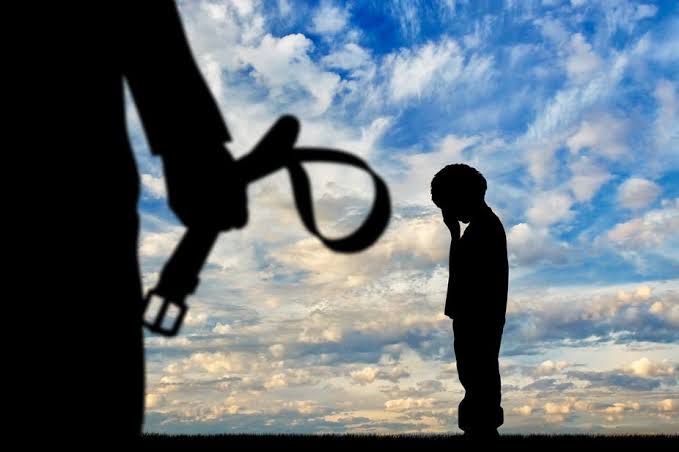
Child abuse refers to any emotional, sexual, or physical maltreatment or neglect by an adult in a
role of responsibility toward someone who is under 18 years of age. It refers to any kind of
action or failure to act that result in harm or possible harm for a child. The adult may be a parent
or other family member or another caregiver, including sports coaches, teachers, and soon. Types of Child Abuse
The Centers for Disease Control and Prevention (CDC) classify the types of child abuse as
physical abuse, sexual abuse, emotional abuse, or neglect. Abuse often involves one or more of
these types. Bullying is not included in these categories, but it is a way of delivering different
kinds of abuse. It can happen at home or elsewhere, and it occurs in all cultures, countries, and economic classes. It usually involves a family member or friend, rather than a stranger. Abusive behavior involves
treating someone with cruelty or violence. It often happens regularly or repeatedly. Definitions of the Types of Child Abuse
All forms of ,injury, abuse, neglect or negligent treatment, maltreatment and exploitation
perpetrated by an individual or group of people, resulting in actual or potential to the child’s
health, survival, development or dignity is an abuse. There are four main types of abuse:
Sexual violence: this is any form of sexual abuse and exploitation including the inducement or
coercion of a child to engage in any unlawful or psychologically harmful sexual activity
including unwanted comments advances, the inducement, coercion or arrangement of a child into
a forced or early marriage. Physical violence: it is fatal and non-fatal abuse including all corporal punishment and all other
forms of torture, cruel, inhuman or degrading treatment or punishment, engaging children in
physical child labor, including non-sexual slavery, trafficking and the use of child soldiers.
Emotional violence: this is the psychological maltreatment, mental abuse, verbal abuse and
emotional abuse or neglect including all forms of persistent harmful interactions with a child, exposure to domestic violence; placement in solitary confinement, isolation or humiliating or
degrading conditions of detention. Neglect: this is the deliberate failure to meet children’s physical and psychological needs, protect
them from danger or obtain medical, birth registration or other services when those responsible
for their care have the means, knowledge and access to services to do so. Neglect includes;
psychological or emotional neglect, educational and mental neglect. Why we Need to End Child Abuse
Every year at least a billion children are exposed to violence. Every five minutes, a child dies a
violent death somewhere in the world. This epidemic of violence can no longer be tolerated or
ignored. The United Nations Secretary-General stated in the 2006 study on child rights, “No
violence against children is justifiable; all violence against children is preventable. There should
be no more excuses…None of us can look children in the eye, if we continue to approve or
condone any form of violence against them.” The persistence scale and gravity of the problem of violence against the youngest members of
our societies require us to unite and end this scourge. Lofty pronouncements and solemn
promises have been made, repeated and echoed over the years. Signs of hope and modest
progress can be seen. But until now, there has been no collective outrage commensurate with the
ongoing, unnecessary suffering of children. National strategies are fragmented; week or non- existent, while investment in violence prevention is far below what is required. According to Elizabeth Dahlin, CEO of save the Children Sweden “Countries must be supported
to accelerate their ef orts to end violence against children” How It Affect Everyone in the Society
Every day the issue of violence pays the price. Violence against children costs up to 8 per cent of
global GDP, while reducing the return from investment in health, education and nutrition
(Perezneito et al., 2014). Violence also corrodes societies from Indonesia put it simply but
eloquently.
“Lets end violence against children for a prosperous future” These are some of the factors how it affects children: Body and Brain: Brains of abused children can be smaller, and they can have damaged
immune systems and higher risk of cancer. As adults, they lose more days due to ill
health each year. Development and Relationship: Victims score lower grades and are more likely to drop
out of school. Child witnesses of domestic violence are more likely to be aggressive
themselves. Repeat victims of violence are more likely to be depressed. Risk Behaviour: Physical violence victims are more likely to smoke and abuse drugs later
in life. They are likely to be obese, they are more likely to attempt suicide. Lost Potential: Violence costs US$7trillion of 8% of global GDP. Victims are more likely
to have problems at work. As adults, they are more likely to experience financial
problems. We now have evidence, commitments, laws and policies. There are no further excuses-what is
left to do is implement and scale up programs that will end violence against children forever. Strategies for Ending Violence Against Children
Here are the seven strategies that can be used to end violence in the society
Implementation and enforcement of laws: this includes banning violent discipline and
restricting access to alcohol and firearms. Norms and values: that is altering norms that condone sexual abuse of girls or aggressive
behavior among boys. Safe environments: such as identifying neighborhood “hot spots” for violence and then
addressing the local causes through problem-oriented policing and other interventions. Parent and caregiver support: that is providing parent training to young first time parents. Income and economic strengthening: such as microfinance and gender equity training. Response and support services: for example, ensuring that children who are exposed to
violence can access effective emergency care and receive appropriate psychological support.
Education and life skill: such as ensuring that children attend school, and providing life
and social skills training. 2030 Agenda Targets To End Violence Against Children
Some of the agendas to end violence against children by 2030 are as follows:
Firstly, to end violence against children: To end abuse, exploitation, trafficking, and all
forms of violence against and torture of children. Eliminate all forms of violence against
all women and girls in the public and private spheres, including trafficking, and sexual
and other types of exploitation. Eliminate all harmful practices; such as child, early and
forced marriage, and female genital mutilation. Take immediate and effective measures
to eradicate forced labour, end modern slavery and human trafficking and secure the
prohibition and elimination of the worst forms of child labor; including recruitment and
use of child soldiers, and by 2025 end child labor in all its forms. To ensure that all
learners acquire the knowledge for promotion of a culture of peace and non-violence. provide safe, non-violent, inclusive and effective learning environments for all. Secondly, to reduce the impact of violence in families, communities and all settings:
Significantly reduce all forms of violence and related death rates everywhere, provide
access to safe, affordable, accessible and sustainable transport systems for all, provide
universal access to safe, inclusive and accessible, green and public spaces, in particular
for women and children, provide universal access to safe, inclusive and accessible, green
and public spaces, in particular for women and children. Thirdly, ensure access to fair and ef ective institutions and to justice for all: promote the
rule of law at the national and international levels and ensure equal access to justice for
all. By 2030, there is need to provide legal identity for all, including birth registration. Strengthen relevant national institutions, including through international cooperation, for
building capacity at all levels, in particular in developing countries, to prevent violence
and combat terrorism and crime. Finally, to mobilize an ef ective multi-stakeholder partnership: Enhance the Global
Partnerships for Sustainable Development, complemented by multi-stakeholder
partnerships that mobilize and share knowledge, expertise, technology and financial
resources, to support the achievements of the Sustainable Development Goals in all
countries and to encourage and promote effective public, public-private and civil society
partnership, building on the experience and resourcing strategies of partnerships
Solutions
Targets to end violence against children are meaningless unless they are matched by a strong
commitment to action. We have a legal and moral obligation to act, and a growing body of
evidence from around the world that shows us how we can make societies safer for children. With implementation of the right laws, systems, policies and investments, as well as adequate
monitoring and evaluation, along with robust public education and campaigning we can achieve
significant, sustained and measurable reductions in violence, while doing more to respond to the
needs of child victims. According to Margaret Chan, The Director-General of the World Health Organization: “We know what works to prevent violence in our homes, schools and workplaces and on
our streets and playgrounds. We should take inspiration from governments which have
demonstrated success in reducing violence by taking the steps needed. They have shown
us that indeed violence is preventable.” The solutions to violence can be achieved at a scale only if the energies, skills and resources of
all parts of society are harnessed. This means reaching out to all those who work for children, either professionally or on a voluntary basis, whether from government, civil society, the UN or
the private sector. Connections must be strengthened with those working to end violence against
women and girls, boys, and young adults, along with those who aim to reduce conflict and build
inclusive, just societies. Victims of violence-boys, girls, women and men-share common risk
factors, and emerging evidence shows that prevention and response efforts, promoted together, can be more effective than if developed separately. Conclusion
To this end, the 2030 Agenda for Sustainable Development is a landmark achievement for
children, especially those who are most vulnerable to violence, in it world’s leaders:
Recognize that peace and sustainable development and inextricably linked, and underline
the obligation for all nations to respect, protect and promote human rights and
fundamental freedoms for all. Set out a vision of “a world which invests in its children and in which every child grows
up free from violence and exploitation.” This explicitly links the safety and security of
children to global goals for child survival and development. Agree to meet a series of ambitious targets for ending all forms of violence against
children and for ensuring that all children benefit from living in peaceful, just and
inclusive societies, as part of an integrated and indivisible development agenda.
Written by
Preventive strategies of child abuse.
Implementation and enforcement of laws: This should include the enforcement as well as implementation of laws to prevent abuse against children and violence. Reduce youth access to weapons, drugs and alcohol.
Creating and strengthening policies as well as legal protections for youth and children.
Laws that ban child sexual abuse and harsh and violent punishments can immensely help. Changing the mind set of people and removing the prevailing norms that support it.
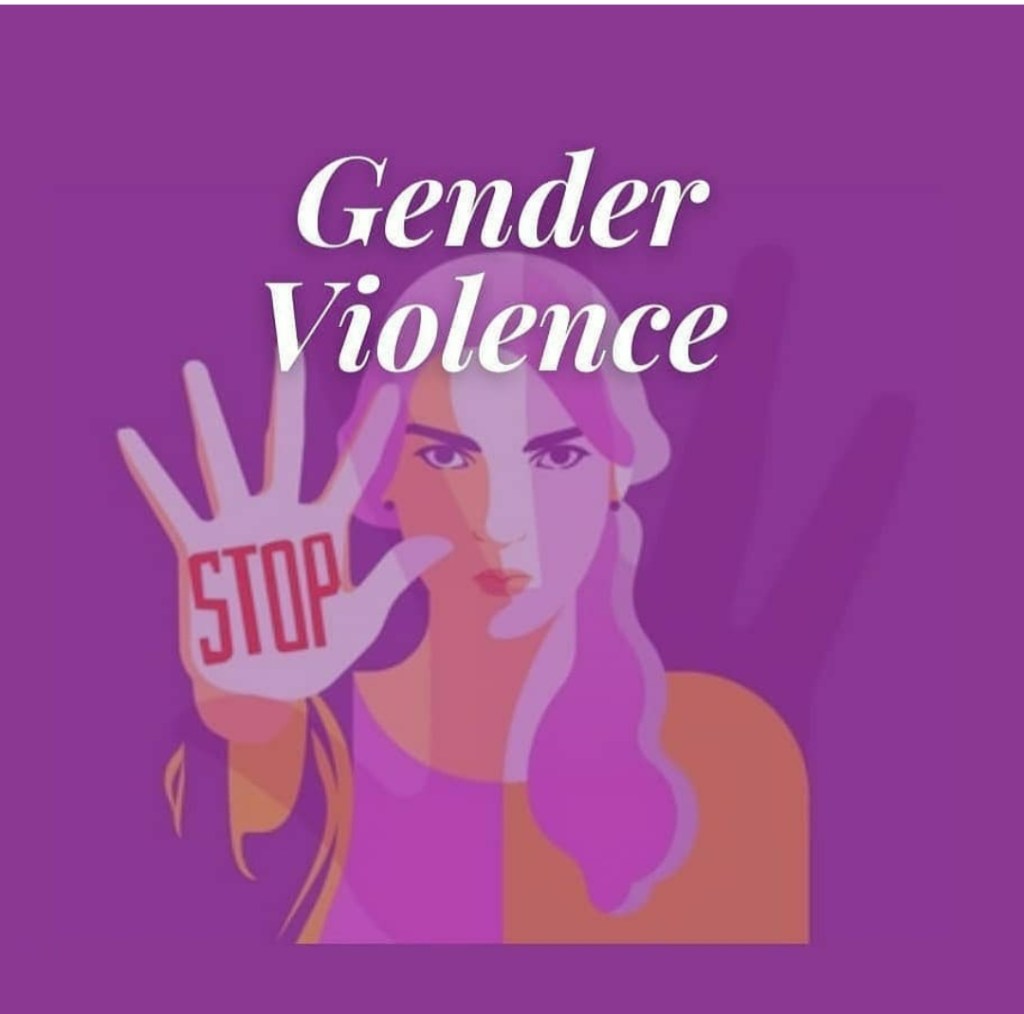
Empowering of women and girls of all levels by enforcing legislation for promoting gender equality.
Equal access to justice for all should also be promoted as a rule of law.
Norms and Values: changing the dogmatic norms and attitudes of a community is a vital part of preventing violence against children. The idea that some forms of violence Are normal and justifiable. For example, several cases of parents in northern Nigeria locking up their children for years and treating them like animals. Teachers flogging children as a form of discipline. Child marriage. Sexual abuse. Girls and boys refusing to report abuse for fear of stigma. Parents covering up abuse for fear of stigma.
Changing the mentality of parents and child rearing. Basically not accepting violence as an acceptable punishment in children upbringing. Encouraging gender equality as well as promoting positive norms to replace the harmful ones and reduce there impacts.
For instance, changing the mentality of male power, entitlement and sexual entitlement and superiority, or prioritizing family reputation or privacy which can lead to discouraging victims of abuse from reporting violence or seeking help.
Parents and educators are the most important onlookers for innovating the norms surrounding violence against children.
Creating programs of developing age can also create norms that influence attitudes in the long run.
Media is also an important means of changing the norms by broadcasting more of what should be acceptable in society and discouraging stigmatization and gender inequality.
Safe environment:
The hotspots approach realizes that violence is likely to occur at particular places and can be lowered by focusing preventive measures in those areas. This can be controlled by those areas having more deployment of police.
Safe environment can also be created by making sure the routes that lead to schools and from schools and other educational institutions are safe, well lit, open and accessible.
Places like hospitals, courts etc should be designed to be child friendly , a safe place, provide confidentiality and privacy.
Children require safe physical and online environments too. Monitoring of online activities of children, parental restrictions settings and other measures should be taken to protect children online.
Parent and caregiver support: it is important to promote a nurturing parenting strategy. Parents have to be thoughts to create a safe home environment for their children. They should spend quality time with the children, show love and affection, praise them, reward and encourage them. Practice healthy ways of dealing with difficult behaviors. Avoid screaming or absolutely any physical punishment.
These will help the children to also develop healthy ways of solving problems and conflicts.
These supports should focus on families and caregivers of all communities. However, high risk families should be prioritized. For instance, children that have been sexually or physically abused in the past. This prioritization has to be done very carefully to avoid stigmatization of targeted families and children.
Income and economic strengthening: financial stability reduces the risk factors of violent behaviors and increases protective ones. The ability of being financially comfortable allows parents to invest in children education, health, resilience and cuts down on financial stress. Economic independence also aids to protect women and girls from others risks as well as sexual exploitation.
Some of the best strategies to implement in this regard are financial assistance, loans, mortgages and grants to reduce the financial burdens of families. Children should be supported with free education, free medical care, counseling and some allowances to help support them and reduce the possibility of being involved in anything violent. Women and adolescents should be educated on financial independence as well as teaching them trades and small businesses to support themselves financially. Families that are not financially and economically comfortable tend to have higher cases of violence amongst women and children in the family.
Response and support: it is important to protect , identify and support children that have suffered violence. Provide children with timely, friendly and gender sensitive support, service, care and access to justice.
A case happened in a hospital recently where a mother took her son to the hospital. He had maggots coming out of him. He had been raped several times by their Neighbour. The woman told the nurse to just treat the boy and not say anything to avoid stigma. The nurse went ahead to call the police but the case was eventually dismissed due to lack of evidence and follow up. So I believe a strong justice system needs to be created protecting abused children as well as hospitals forced to report cases of abuse. Parents and caretakers should also be prosecuted if caught covering up any kind of abuse.
There should be a body solely for helping children and finding out which children need help precisely. Help children of abuse long term with therapy, counseling, welfare services providing foster care.
Education and life skill: providing children with good quality education drastically reduces the possibility of children being involved in violence. When parents, schools, society as well as the educational system are focused on providing children with engaging and safe learning environment, children are more likely to grow socially, succeed academically and avoid experiences involving violence.
Education also drastically reduces the risks of unplanned pregnancies, STIs,HIV, early marriage and encourages other economic and social benefits.
However, schools also have to be overseen to prevent bullying, violent punishments by educators, violence against children, sexual abuse, physical abuse, mental abuse, harassment and exploitation’s. Children also have to be protected from violence when traveling to and from schools.
There is a case of a girl who went to report to her Malam that she got raped, rather than the Malam to help her, he raped her too.
Therefore, children should have access to counselors in schools. Bullying should be responded to and taken very seriously. Children should be educated and encouraged from practicing any form of violence. Children should also be taught life skills and handiwork as well as importance or education in general. Educators should face the highest level of punishment by the law if they practice any form of abuse on the children they are suppose to protect.
By Maryam Ali Adamu


 United Nations SDG's - Decade of Action